Vermont Central Air

The R-410A phase-out and new AC units in Vermont

Send the form and stop researching installers for the new air conditioner.

Hand off my installation

Why is R-410A being phased out and what does that mean for a new AC?

You've heard R-410A, the refrigerant in most home air conditioners, is on its way out, and you're wondering if that means trouble for a system you already have or one you're about to buy. It makes sense to want a straight answer before you commit to a new unit, especially when you want the installation done right the first time.

R-410A is being replaced because of its climate impact, and new AC units now use R-454B instead

R-410A has a high global warming potential, and federal rules phased out its use in new equipment starting in 2025. That's not about your Vermont summers being mild or harsh, it's a manufacturing rule that applies everywhere. Air conditioners made now use R-454B, a refrigerant with a much lower impact if it ever leaks. For you, this means a new AC installed today runs on different refrigerant than the one you may be replacing, and the equipment, the line set, and sometimes the coil are built specifically for it. An older R-410A system can still be serviced and recharged, but a new installation will be R-454B from the start, and whoever installs it needs to be certified to handle that refrigerant correctly.

A gray outdoor air conditioner condenser unit on a concrete pad beside a house with horizontal siding and a stucco foundation, with a disconnect box and conduit on the wall, decorative gravel, mulch, and a shrub nearby.

A system running on R-410A now

If your condenser is working fine, there's no reason to touch it. R-410A is still made and still stocked for repairs. A properly charged system sitting next to the house, like the one here, will keep running through Vermont summers without any change from the phase-out.

An outdoor air conditioning condenser unit on a concrete pad beside a house with horizontal lap siding, with an electrical disconnect box and conduit on the wall, mulch and a green shrub to the right, and a concrete walkway in the foreground.

A system that's struggling or old

Dirt caked on the coil grilles like this makes the unit work harder and cuts into the cooling it was built to deliver. If a system in this shape also needs a repair that calls for refrigerant, the cost and availability of R-410A going forward is worth asking a contractor about before paying for it.

Fix the Old Unit or Install New

Repairing an R-410A system

  • R-410A is still being produced for servicing existing equipment, so a leak or a failed compressor can still be fixed on a system you already own.
  • Older R-410A units tend to cost less to keep running a few more summers than paying for a full installation outright.
  • Parts matching your exact condenser get harder to find as manufacturers shift their production lines toward newer refrigerants.
  • A contractor who works on this equipment every season can tell you whether a repair is worth it or whether the unit is near the end of its run.
  • If the compressor itself has failed, the repair bill can approach what a new system would cost, which changes the math fast.
  • Vermont's power rates make an older, less efficient compressor expensive to run through a hot stretch, even after a repair.

Installing a new system

  • New residential AC units sold today run on R-454B or similar replacement refrigerants, not R-410A, so installation means new equipment built around the new rules.
  • A newly installed system comes with a warranty that an aging, repaired unit cannot match.
  • Newer compressors are built to run more efficiently, which matters with Vermont's electricity costs sitting among the highest in the country.
  • Installation lets a local contractor size the unit correctly for your house instead of working around whatever was put in years ago.
  • Since most Vermont homes heat with oil, the AC is sized for cooling alone, and a new unit can be matched to that load precisely.
  • A licensed installer who handles this changeover regularly will know which refrigerant and equipment combination is approved for use here now.
A man with grey hair and stubble in a dark sweater sits on a grey sofa indoors, looking off to the side, with a potted plant and a sunlit window behind him.
A man with gray hair, a beard and glasses, wearing a dark green sweater, sits on a gray sofa in a sunlit living room with a potted plant, table lamp and wooden sideboard behind him.
A middle-aged man with graying hair and a short beard sits on a blue sofa in a living room, looking toward a window, with a bookshelf, lamp and framed picture in the background.
A man with graying curly hair and a dark green sweater sits on a gray sofa in a sunlit living room, looking off to the side, with a framed picture, shelving, an armchair and a window with sheer curtains behind him.

One request and it's handed off

A Vermont summer doesn't ask much of a condenser, which is part of why so many of these units run twenty years past when they should. But R-410A production is on its way down, not off a cliff, and if yours needs a new compressor in the middle of August, you don't want to be the one calling around while it sits broken. A licensed installer who works on this equipment all season in this state already knows which units handle the cold snaps here and which ones struggle, and what a new system needs to pair with an oil-heated house and the electric rates you're already paying. Send the request and that search becomes someone else's job instead of yours. One contractor gets it, local to you, so you're dealing with a single call back, not five companies competing for the same job.

Matching the Parts Correctly

  • A new R-32 or R-454B condenser needs its own matched coil, since the old R-410A coil won't hold the new refrigerant's pressure correctly.
  • R-32 runs at higher pressure than R-410A, so the compressor and line set are built differently, not just recharged with something new.
  • A mismatched coil and condenser will short-cycle or trip a high-pressure switch, even if the refrigerant type is right.
  • Brazing a new refrigerant line set calls for different fittings than the old flare connections used on many R-410A systems.
  • The EPA label on a new unit tells you which refrigerant it's rated for, and that has to match what the installer charges into it.
  • A system installed with the wrong refrigerant for its rated coil won't hold a charge no matter how many times it's topped off.

A new condenser is not a drop-in swap for the one sitting next to your house now. R-32 and R-454B run at higher pressure than R-410A, so the whole system is engineered around that, the compressor, the line set, the coil. Put a new R-32 condenser on an old R-410A coil and the coil isn't rated for that pressure. It will struggle to transfer heat properly, the system will short-cycle, or a high-pressure switch will trip to protect the compressor. None of that gets fixed by adding refrigerant. The fix is a coil that's matched to the condenser from the start.

The line set matters too. A lot of older R-410A installs in Vermont used flare fittings at the connections. New refrigerants call for brazed joints, which take a torch and the right technique, not a wrench. An installer who skips that step and reuses old flare fittings is setting up a leak down the road, maybe not this summer, but eventually.

Every new unit carries an EPA label stating exactly which refrigerant it's rated for. That label has to match what actually goes into the lines when it's charged. A qualified installer checks the coil, the line set, and the label together before the job is called done, because a system charged with the wrong refrigerant for its rated parts won't hold, no matter how many times someone comes back to top it off.


A woman with shoulder-length brown hair wearing a beige knit cardigan sits in a gray upholstered armchair near a window, looking off to the side with a slight smile, with bookshelves blurred in the background.
A woman with her hair in a bun holds a sleeping young child against her chest, both wrapped in a textured beige knit blanket on a sofa in a dimly lit room with a lamp, framed picture, and bookshelf behind them.
  1. A contractor pulls the old refrigerant and recovers it under EPA rules.

  2. The old condenser and its matched coil come out together.

  3. A new R-32 or R-454B condenser goes in with its own matched coil.

  4. New line set goes in sized for the new refrigerant's higher pressure.

A gray outdoor air conditioner condenser unit on a concrete pad beside a house with horizontal lap siding, with a flowering shrub at left and a disconnect box with conduit on the wall at right.
A condenser like this, running clean and clear of debris, still has years left on R-410A.
An outdoor air conditioner condenser unit on a concrete pad beside a house with light horizontal vinyl siding, surrounded by bare dirt, gravel and dry leaves, with refrigerant lines and conduit running along the wall.
Dirt packed around the base and lines worn from years outside are what push a homeowner from repair to replacement.

Power costs 22.79 cents per kilowatt-hour statewide

At 22.79 cents a kilowatt-hour, every degree you ask your condenser to pull costs you more here than in most of the country. A new R-32 or R-454B system run efficiently enough to stay ahead of that rate, which matters more in Vermont than almost anywhere else.

EIA-861 2025 statewide residential average

R-410A isn't disappearing overnight, and if your system is running fine, that's still true today. What's changed is what happens when a compressor fails or a new install goes in: that work now points to R-32 or R-454B, with a matched coil and a line set sized for the new pressures. Getting that right, rather than mixing parts that don't belong together, is what separates a system that runs clean for the next twenty Vermont summers from one that gives you trouble in year three. That's a job for someone who works on these systems all season, every season, and knows which R-32 and R-454B installs hold up and which ones come back. A local contractor who takes this on is the one who answers, not a handful of companies bidding against each other for the job. You'll know who's coming, and they'll know Vermont wiring and venting before they ever ring your bell.

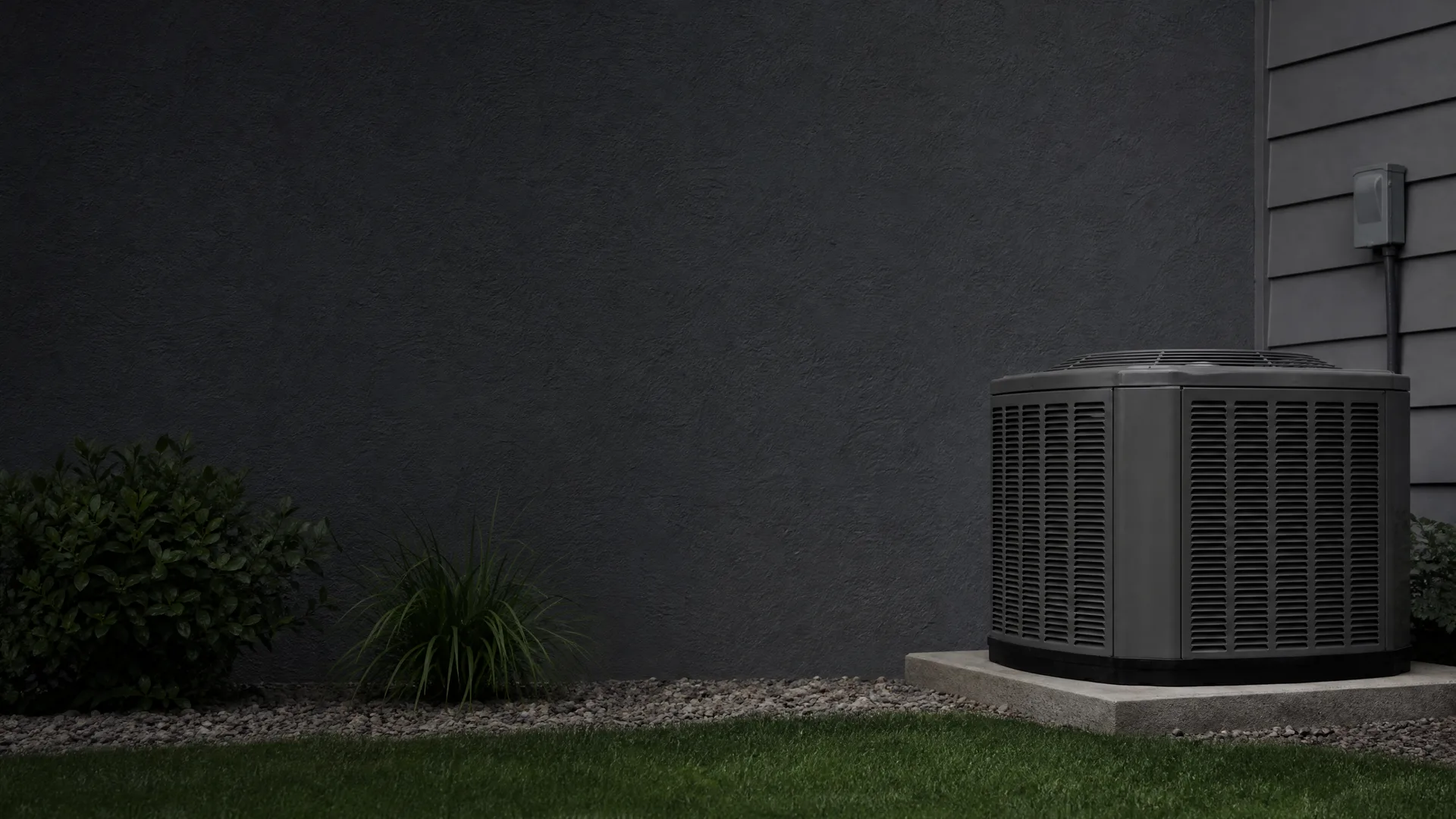
An outdoor air conditioning condenser unit on a concrete pad beside a dark stucco wall, with gravel bedding, shrubs, an ornamental grass clump, and a lawn in the foreground.

Done looking for an air conditioner pro

Only one pro gets your request, so you hear from one company.

Step 1 of 3: Equipment